
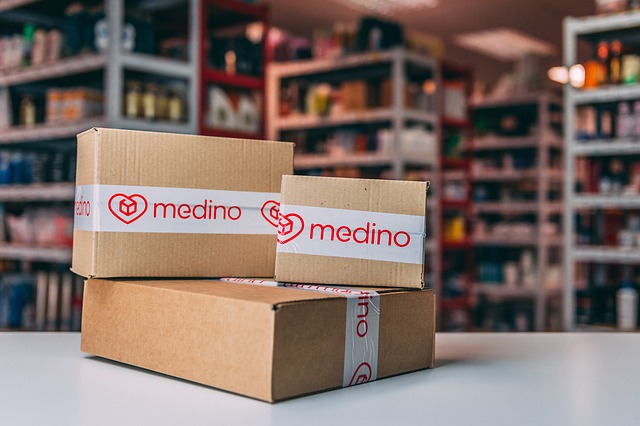
A customer may place an online order in seconds, but the sale is not truly complete until the product reaches the customer safely and within the expected timeframe. That makes ecommerce shipping a core part of running an online store, not simply an operational task handled after checkout.
For beginners, the goal is to create a shipping process that protects products, controls costs, provides accurate delivery expectations, and gives customers enough information to know what is happening with their order.
Start With the Product, Not the Box
The right packaging depends on what you are shipping.
A soft product such as clothing may only need a suitable mailer, while fragile merchandise may require a rigid box and internal cushioning. Heavy, unusually shaped, liquid, or delicate products may need additional protection or special handling.
Before ordering packaging supplies, record the basic requirements for each product:
· Product dimensions
· Product weight
· Fragility
· Shape
· Moisture sensitivity
· Existing retail packaging
· Typical shipping destinations
The package itself matters because shipping costs and handling requirements are based on the shipment, not just the product inside it. USPS recommends using strong packaging, allowing enough room for cushioning, and accurately measuring package dimensions and weight. Its current USPS package preparation guidance also explains labeling, packaging, postage, and restrictions for different types of shipments.
A simple packaging system might look like this:
| Product type | Typical packaging |
| Clothing | Poly mailer or shipping bag |
| Small non-fragile products | Mailer or small corrugated box |
| Fragile products | Rigid box with cushioning |
| Heavy products | Strong corrugated box with internal support |
| Posters and rolled products | Shipping tube |
You do not need a different box for every product. Standardizing a few packaging sizes can make fulfillment faster and easier to manage.
Protect Products From Movement
One of the most common package-protection mistakes is leaving too much empty space around the product.
A product that moves freely inside a box can be damaged by repeated impacts during transportation. This is particularly important for glass, electronics, ceramics, cosmetics, and other fragile items.
Depending on the product, appropriate protection may include:
· Bubble cushioning
· Foam inserts
· Corrugated dividers
· Protective sleeves
· Paper cushioning
· Molded inserts
USPS recommends enough cushioning to prevent fragile items from shifting during transportation. It also advises using strong packaging and enough packing material to protect the contents as packages move through automated processing systems.
The objective is not to use as much material as possible. Excessive packaging increases material consumption and can make packing slower. Good ecommerce packaging provides enough protection while keeping the package stable and appropriately sized.
Seal Packages Properly
A package can be perfectly protected inside and still fail if the box opens during transportation.
Use suitable shipping tape and secure the major seams. UPS recommends using a rigid box, appropriate cushioning, and shipping tape, while advising against materials such as string, masking tape, and other unsuitable sealing materials. Its official packaging guidelines provide additional instructions for preparing shipments.
Before handing a package to a carrier, check that:
· Major seams are completely sealed
· The box is not bulging
· Contents cannot escape
· The shipping label is firmly attached
· Old shipping labels and barcodes are removed or covered
· The packaging is appropriate for the product’s weight
If you reuse a box, inspect it carefully. A previously used container can lose strength, especially if it has already been damaged or exposed to moisture.
Measure the Actual Shipment
Your product’s dimensions are not necessarily the same as the dimensions of the shipment.
Once the item is packed, record:
· Length
· Width
· Height
· Total weight
This information can affect shipping charges and helps you create accurate shipping profiles for your store.
USPS states that postage can depend on the destination, service, size, and weight of the package, and it specifically recommends accurately measuring and weighing shipments to avoid unexpected fees.
For a growing business, maintain a packaging profile for frequently shipped products. A profile can include the preferred box or mailer, expected packed weight, package dimensions, and basic packing instructions.
That makes the fulfillment process more consistent and reduces guesswork.
Check Shipping Restrictions Before You Promise Anything
Not every product can be shipped using the same service.
Certain products can be prohibited, restricted, or subject to special packaging or labeling requirements. USPS, for example, identifies restrictions involving items such as lithium batteries, hazardous materials, some liquids, and certain perishable products.
This matters when building an online retail shipping process. Before listing a product, check whether the carrier you plan to use accepts it and whether the product needs special handling.
This is particularly important for products containing:
· Batteries
· Flammable substances
· Alcohol
· Certain chemicals
· Liquids
· Perishable materials
Shipping regulations can vary by carrier, service, destination, and product type. Never assume that an item that can be shipped normally by one carrier will automatically be treated the same way by another.
Set Delivery Promises You Can Actually Support
Customers usually care about two different timelines:
When will the order ship?
and
When will the order arrive?
Those are not necessarily the same.
If your store needs two business days to process an order and the carrier takes another three to five business days in transit, your shipping policy should make that distinction clear.
A simple format could be:
Processing time: 1–2 business days
Transit time: 3–5 business days
Avoid promising delivery times based solely on the fastest possible carrier estimate.
For U.S. online sellers, the FTC’s Mail, Internet, or Telephone Order Merchandise Rule requires businesses to have a reasonable basis for shipment representations. When no shipping timeframe is stated, the rule generally requires a reasonable basis for being able to ship within 30 days. When an order cannot ship as promised, the rules address delay notices, customer consent, and refunds. The FTC’s official Mail, Internet, or Telephone Order Merchandise Rule provides the governing requirements.
For an online retailer, realistic delivery promises are therefore both a customer-service issue and, in some cases, a compliance issue.
Create a Clear Shipping Policy
Customers should be able to understand your shipping process before completing an order.
A useful policy should explain:
· Where you ship
· Available shipping services
· Order processing times
· Estimated delivery windows
· Shipping charges
· Tracking information
· Delays and exceptions
· Lost-package procedures
· Damaged-package procedures
· Return shipping responsibilities
Explain processing time separately from transit time. A customer who sees “two-day shipping” may incorrectly assume the package will arrive two days after checkout if your store does not explain that fulfillment happens first.
Your policy should also cover situations such as incorrect addresses, refused deliveries, delivery attempts, and changes requested after an order has shipped.
Good shipping information reduces uncertainty before the order is placed.
Make Packaging Part of the Customer Experience
Shipping packaging does more than protect the product.
It can also communicate the quality and personality of your brand.
Depending on the type of business, you might include:
· A branded shipping box
· A thank-you card
· Product instructions
· A customer-support card
· A branded sticker
· Thoughtful, appropriately sized packaging
That does not mean every business should invest heavily in custom packaging design.
A premium brand may benefit from a distinctive unboxing experience. A low-margin retailer may get better results from simple, durable packaging that keeps costs under control.
A practical way to evaluate packaging is:
Protection + efficiency + customer experience
All three should work together.
Build a Simple Pre-Shipment Check
A short quality-control process can prevent avoidable shipping mistakes.
Fulfillment checklist
· Correct product selected
· Correct quantity packed
· Product checked for visible damage
· Suitable package selected
· Cushioning added where required
· Package sealed securely
· Shipping label matches the order
· Old labels removed or covered
· Weight and dimensions recorded
· Tracking information generated
This becomes increasingly valuable when multiple people are involved in fulfillment.
A documented process also makes employee training easier and gives you something to audit when a customer reports a shipping problem.
What to Do When a Package Is Lost or Damaged
No shipping process is perfect.
When a package is delayed, damaged, or lost, document the incident and communicate clearly with the customer.
Keep records of:
· Order number
· Tracking number
· Carrier
· Shipment date
· Product value
· Customer communication
· Replacement or refund decision
· Carrier claim information, when applicable
For a damaged shipment, photos of the packaging and product can help identify what went wrong.
More importantly, use recurring incidents as feedback.
If one product repeatedly arrives damaged, changing the packaging may solve the problem more effectively than repeatedly issuing refunds. The box, cushioning, internal support, sealing process, or selected shipping method may need to change.
Track the Metrics That Matter
As order volume grows, shipping decisions should be based on actual operating data.
| Metric | What it can reveal |
| Shipping cost per order | Whether fulfillment costs are controlled |
| Packaging cost | Whether packaging is efficient |
| Damage rate | Whether products are adequately protected |
| Delivery delay rate | Whether carrier or fulfillment issues recur |
| Return rate | Whether shipping or product problems may exist |
| Fulfillment time | How quickly orders are leaving your operation |
| Shipping complaints | Where customers are experiencing friction |
These metrics can help you distinguish between different problems.
For example, if products leave your facility on schedule but repeatedly arrive damaged, packaging is a stronger suspect than your warehouse process. If products are packed correctly but leave the warehouse late, fulfillment capacity may be the issue.
Create a Repeatable Ecommerce Shipping Workflow
A basic shipping workflow can look like this:
Order received → Product picked → Product inspected → Packaging selected → Product protected → Package sealed → Shipment weighed and measured → Label applied → Carrier scan → Tracking shared → Delivery
For a small business, this can be managed manually.
As order volume grows, individual steps can be supported by inventory software, barcode scanning, shipping platforms, warehouse systems, or a third-party logistics provider.
The important part is to establish the process first. Technology should make a good workflow faster, not compensate for a workflow that is unclear.
Common Beginner Mistakes to Avoid
Using oversized packaging
Large boxes can create unnecessary material use and may increase shipping costs depending on the carrier and shipment characteristics.
Using too little protection
Products that shift inside the package are more vulnerable to damage.
Measuring only the product
Shipping calculations depend on the actual packaged shipment.
Making unrealistic delivery promises
Carrier delays and fulfillment problems can quickly turn an optimistic promise into a customer complaint.
Reusing damaged boxes
A previously used box may not have enough structural strength for another shipment.
Leaving old shipping labels visible
Old barcodes or addresses can create confusion during handling.
Ignoring shipping restrictions
Certain products have carrier or regulatory requirements that should be checked before they are sold and shipped.
Build the System Around the Customer
Good ecommerce shipping is ultimately about reliability.
Customers do not see your packing station or shipping software. They experience the final result: whether the correct product arrives, whether it arrives undamaged, whether the delivery matches their expectations, and whether your business responds effectively when something goes wrong.
Start with packaging that fits the product. Protect the contents from movement. Seal shipments properly. Measure the completed package accurately. Check applicable shipping restrictions. Set realistic delivery expectations. Then use real shipping data to improve the process over time.
A reliable shipping operation can reduce avoidable damage, control fulfillment costs, and create a more predictable experience from checkout to delivery.