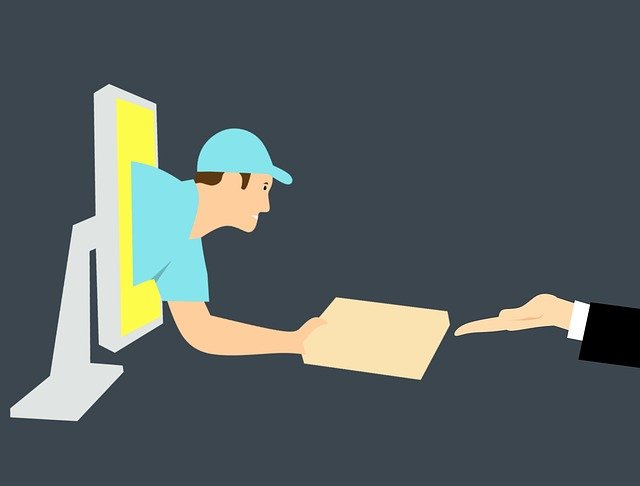
Starting a dropshipping business in 2022 could be an accessible way to enter e-commerce without buying and storing inventory in advance. In the dropshipping model, a supplier holds the products and ships orders directly to customers after a sale is made. That can reduce some upfront inventory requirements, but it does not remove the need for product research, marketing, customer service, supplier management, and careful financial planning.
For someone starting from scratch in 2022, the goal should not be to find a “magic” product. A better approach is to choose a focused niche, understand the competition, work with dependable suppliers, build a trustworthy store, and test your marketing before scaling.
1. Start With a Specific Dropshipping Niche
Your niche determines the type of customer you are targeting, the products you source, and the way you market your store.
Instead of creating a general store with unrelated products, choose a category you can understand and build around. Possible examples include pet accessories, fitness products, home organization, outdoor equipment, or hobby-specific products.
A good niche should have enough demand to support sales but also give you an opportunity to differentiate your store.
Before committing, research:
· Customer demand
· Market size
· Existing competitors
· Typical selling prices
· Product quality
· Shipping expectations
· Customer complaints
· Potential profit margins
The U.S. Small Business Administration recommends evaluating demand, market size, pricing, market saturation, customer characteristics, and competitors as part of market research. Its market research and competitive analysis is a useful starting point for validating a business idea.
The best niche is not necessarily the one with the most popular products. It is the one where you can identify a customer need and build a convincing reason to buy from your store.
2. Study Your Competitors Before You Sell Anything
Competitive analysis can save you from launching a store that looks almost identical to dozens of existing businesses.
Search for stores selling products similar to the ones you are considering. Study their pricing, product descriptions, website structure, advertising, social media activity, delivery promises, and customer reviews.
Customer reviews are particularly useful because they reveal what buyers actually like and dislike.
For example, customers may repeatedly mention:
· Poor product quality
· Slow delivery
· Weak packaging
· Inaccurate product descriptions
· Difficult returns
· Unresponsive customer support
Those complaints can become opportunities.
Instead of asking, “Can I sell this product?” ask, “What can my store do better?”
The SBA notes that competitive analysis can help businesses identify competitor strengths and weaknesses and find a sustainable competitive advantage.
Do not copy competitor branding or content. Use the research to understand the market and identify gaps you can realistically address.
3. Be Selective When Choosing Dropshipping Suppliers
Your supplier has a major influence on the customer experience.
When you use dropshipping, you may not physically handle the products, but customers still hold your business responsible for what arrives at their door.
A supplier should be evaluated for more than price. Look at:
· Product quality
· Fulfillment speed
· Shipping options
· Tracking availability
· Inventory consistency
· Communication
· Return procedures
· Defect rates
· Order processing costs
Shopify’s supplier guidance recommends checking supplier legitimacy and using test orders to evaluate shipping speed, tracking, packaging quality, fulfillment time, communication, and product performance. Its guide to choosing dropshipping suppliers provides a practical checklist for this process.
Testing a supplier before sending paid traffic to your store can expose problems early.
A supplier offering the lowest price is not automatically the best choice. A slightly higher product cost may be worthwhile if the supplier provides better quality, more reliable shipping, and fewer customer-service problems.
4. Choose the Right E-Commerce Platform
Once your niche and supplier are taking shape, you need an online store where customers can browse and purchase your products.
The right e-commerce platform should make everyday tasks manageable, including:
· Adding products
· Managing prices
· Processing orders
· Connecting suppliers
· Managing payments
· Tracking inventory
· Monitoring sales
· Improving your storefront
Shopify is one example of a platform built around online commerce. Its current dropshipping documentation explains how suppliers can fulfill orders directly for customers and how merchants can manage sourcing and order operations through the platform.
When evaluating e-commerce platforms in 2022, consider your budget, technical experience, supplier integrations, available payment options, store design requirements, and plans for growth.
Do not spend weeks looking for a perfect platform before validating your business idea. In the early stage, a reliable and manageable setup is more valuable than unnecessary complexity.
5. Build a Store Customers Can Trust
A customer visiting a new store needs enough information to feel comfortable placing an order.
Your storefront should be clean, easy to navigate, and focused on the products you actually sell.
Every product page should ideally include:
· A clear product title
· High-quality product images
· A useful description
· Price and available variations
· Product specifications
· Shipping information
· Return and refund details
· Contact information
· A clear purchase button
Avoid relying completely on supplier-generated descriptions. Rewrite them to explain the product in language that helps customers understand its practical value.
Trust also comes from transparency. Do not promise unusually fast shipping if your supplier cannot reliably provide it.
For U.S. online sellers, the Federal Trade Commission’s Mail, Internet, or Telephone Order Merchandise Rule requires sellers to have a reasonable basis for advertised shipping times. When an order cannot be shipped within the promised period, the rules address customer consent for delays and refunds. The FTC guidance on internet merchandise orders explains these requirements.
That makes supplier reliability and honest delivery estimates important parts of both customer care and compliance.
6. Develop an E-Commerce Marketing Strategy Before Launch
A store does not generate traffic simply because it has been published.
Before launching, decide how potential customers will discover your products.
Depending on your niche, possible marketing channels include:
· Search engine optimization
· Social media
· Short-form video
· Influencer partnerships
· Email marketing
· Paid advertising
· Content marketing
You do not need to use every channel immediately.
Start with the platforms where your potential customers are most likely to spend time. A visually driven product might benefit from social media and video content, while a problem-solving product may be better suited to search-focused content.
Your marketing should communicate more than product features. It should explain why the customer should buy from your store rather than another seller.
That difference could come from better product education, a more focused selection, stronger branding, faster fulfillment, better service, or a clearer customer experience.
7. Treat Customer Care as Part of the Product
Dropshipping changes how your products are fulfilled, not your responsibility to customers.
When someone orders from your store, they expect your business to answer questions and resolve problems, even when a third-party supplier is responsible for shipping.
Create clear processes for:
· Order tracking
· Delivery delays
· Damaged products
· Missing packages
· Returns
· Refunds
· Product questions
Keep your shipping and return policies easy to find.
It is also worth setting realistic expectations before a customer purchases. If the product requires a longer delivery period, communicate that clearly rather than hoping the customer will not notice.
Good customer care can protect your reputation while giving you useful information about weaknesses in your supplier or product selection.
A Practical Way to Begin
If you are starting a dropshipping business in 2022, you do not need hundreds of products or a complicated website on day one.
A more practical sequence is:
Choose a niche → research the market → analyze competitors → find suppliers → test products → build your store → launch marketing → measure results → improve.
That process gives you opportunities to identify problems before committing too much money.
Dropshipping can reduce the need to purchase inventory before making sales, but there are still costs and risks. Advertising, platform fees, payment processing, refunds, supplier problems, customer acquisition, and shipping issues can all affect profitability. The model works best when you treat it as a real business rather than a shortcut to easy income.
What Matters Most in Your First Few Months
The early stage of a dropshipping business should be focused on learning.
You want to discover:
· Which products attract genuine interest
· Which customers respond to your offer
· Which marketing channels produce useful traffic
· Which suppliers are dependable
· Which products generate complaints
· Where customers abandon the purchase process
· Whether your pricing leaves enough room for costs and profit
Use that information to improve the store instead of immediately expanding the product catalog.
Starting a dropshipping business can be relatively simple from a technical perspective, but building a sustainable business requires research, experimentation, supplier management, marketing, and customer care. The strongest approach is to start with a focused idea, test it carefully, and scale only after the underlying business model begins to show signs of real demand.