



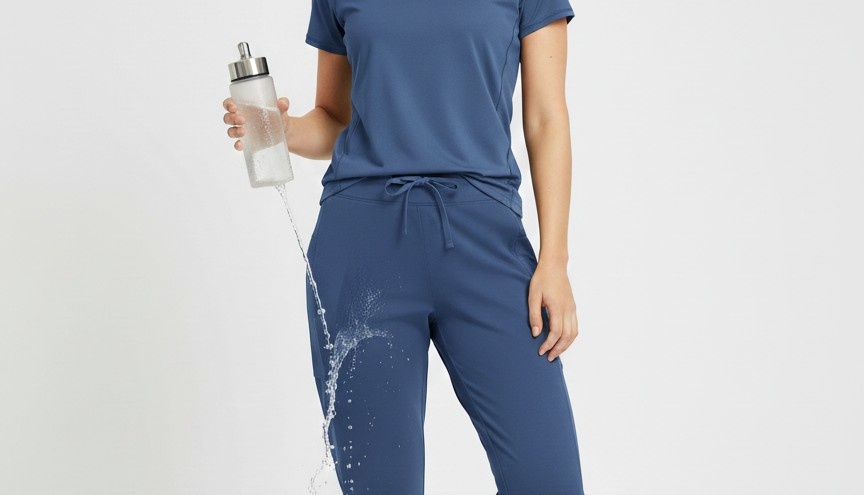
Whether you’re hiking through misty mountains, commuting in unpredictable weather, or simply running errands on a rainy day, durable waterproof pants offer unmatched protection and comfort. These technical garments keep you dry, comfortable, and ready for whatever nature throws your way, making them an essential investment for anyone who spends time outdoors.
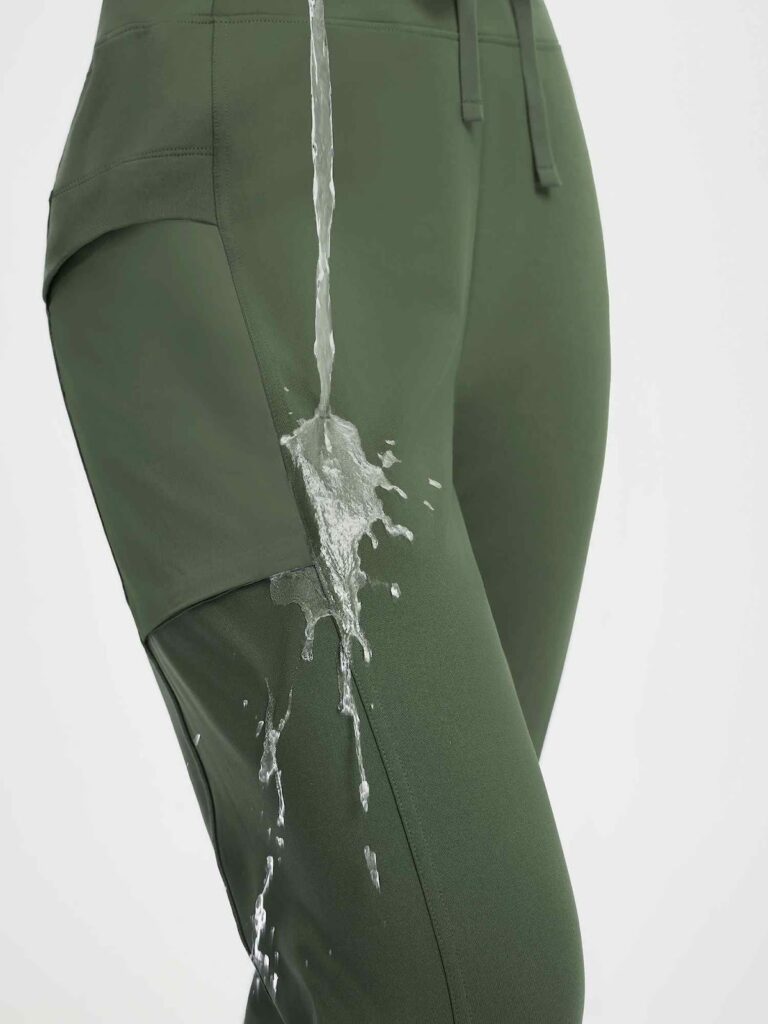
However, even the best waterproof pants lose their effectiveness over time without proper care. Many people unknowingly damage their expensive gear through improper washing, incorrect storage, or neglecting essential maintenance steps. The result is pants that leak, lose breathability, and wear out long before they should.
This guide will walk you through everything you need to know to keep your waterproof pants performing at their best. We’ll explore the science behind waterproof fabrics, share proven care and maintenance techniques, explain how to restore water repellency with treatments, and offer practical advice for choosing pants that will stand the test of time. With the right knowledge, you can extend the life of your waterproof pants by years while maintaining their protective qualities.
Understanding Waterproof Fabric
Waterproof pants rely on sophisticated membrane technologies that block water from the outside while allowing moisture vapor from your body to escape. Gore-Tex remains the most recognized waterproof fabric, using a microporous membrane with billions of tiny pores per square inch—each pore is approximately 20,000 times smaller than a water droplet but 700 times larger than a water vapor molecule. This ingenious design keeps rain out while preventing the clammy feeling of trapped sweat. eVent fabric takes a different approach with direct venting technology, offering even faster moisture transfer by eliminating the need for a protective coating on the membrane itself, making it particularly popular among high-output activities.
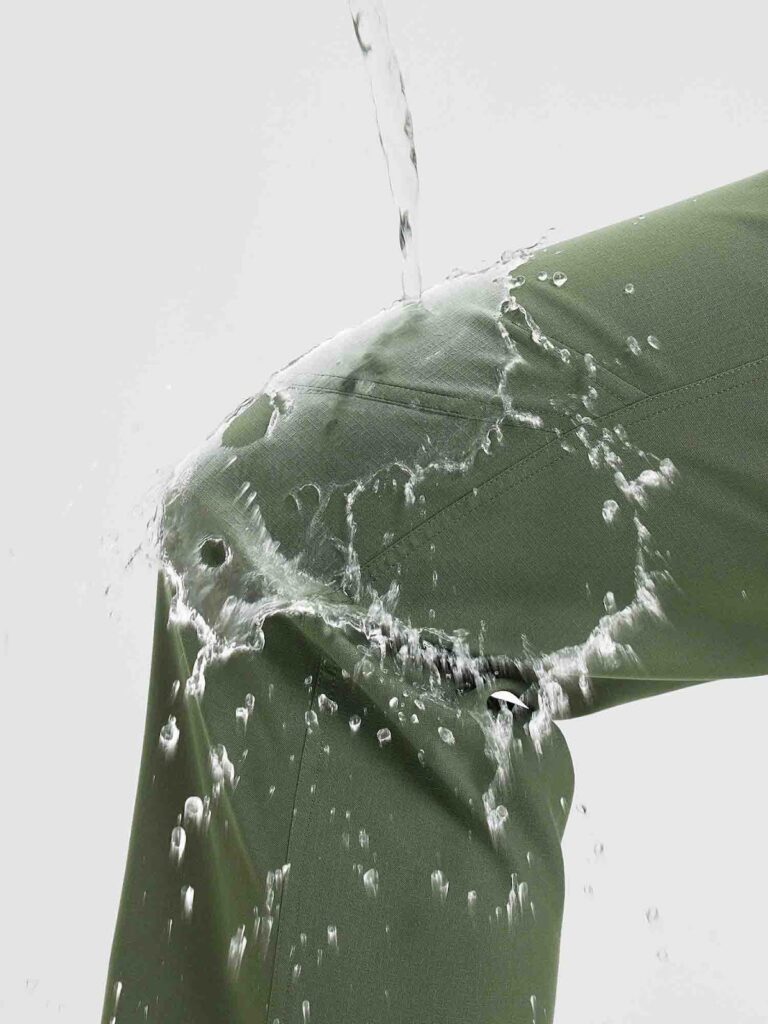
The quality of these fabrics directly determines how well your pants perform over time. Premium waterproof fabrics feature durable construction with reinforced seams, robust face fabrics that resist abrasion, and carefully engineered lamination that bonds layers without compromising flexibility. Lower-quality alternatives may use polyurethane coatings that degrade faster, develop leaks at stress points, or lose breathability after minimal use. Understanding your fabric type helps you apply the correct maintenance techniques—Gore-Tex requires periodic reactivation of its DWR coating through heat, while eVent benefits from gentler care to preserve its uncoated membrane. The initial investment in quality fabric pays dividends through years of reliable protection when properly maintained.
Care and Maintenance Tips
Proper washing is the foundation of waterproof pants maintenance, but it requires a different approach than regular clothing. Start by closing all zippers and fasteners to prevent snagging, then wash your pants in a front-loading machine using a technical wash designed specifically for waterproof fabrics—regular detergents leave residues that clog membrane pores and destroy water repellency. Use warm water on a gentle cycle with minimal agitation, washing no more than two garments at once to ensure thorough rinsing. Skip the fabric softener entirely, as it coats the fabric and completely eliminates breathability. After washing, run an extra rinse cycle to remove any remaining soap residue that could compromise performance.
Drying waterproof pants properly reactivates the DWR coating and restores water-beading performance. Tumble dry on low to medium heat for about 20 minutes, checking periodically to avoid overheating. The gentle heat causes the DWR treatment to redistribute evenly across the fabric surface, reviving its water-shedding properties. If you prefer air drying, hang the pants in a well-ventilated area away from direct sunlight, then finish with 10 minutes in the dryer or use a warm iron with a towel barrier to reactivate the DWR. Never leave waterproof pants crumpled in a bag after use—moisture trapped in folds encourages mildew growth and fabric degradation.
Storage practices significantly impact longevity between adventures. Hang your waterproof pants in a cool, dry closet rather than stuffing them in a compression sack, which stresses seams and membranes over time. Keep them away from heat sources, direct sunlight, and chemicals like insect repellent or sunscreen, all of which break down waterproof membranes. Before storing for extended periods, ensure pants are completely clean and dry. Inspect seams regularly for any separation or wear, addressing small issues immediately before they become major failures. With consistent care following these straightforward steps, your waterproof pants will maintain their protective performance season after season.
Waterproof Treatments
Waterproof treatments work as the first line of defense for your pants, creating a protective barrier that causes water to bead up and roll off rather than soaking into the fabric. The most common treatment is DWR (Durable Water Repellent), a fluoropolymer-based coating applied to the outer fabric layer during manufacturing. When functioning properly, DWR prevents the face fabric from becoming saturated, which maintains breathability—if the outer layer gets waterlogged, moisture vapor from your body can’t escape even though the membrane itself remains waterproof. Over time, dirt, body oils, and repeated use wear away this coating, causing your pants to “wet out” and feel heavy and clammy despite having an intact waterproof membrane underneath.
Several types of waterproof treatments are available for home application, each with distinct advantages. Spray-on treatments offer convenience and targeted application, making them ideal for touch-ups on high-wear areas like knees and seat. Wash-in treatments provide more uniform coverage and penetrate fabric better, though they coat the entire garment including areas that may not need refreshing. Newer fluorine-free alternatives address environmental concerns while still delivering solid water repellency, though they typically require more frequent reapplication than traditional fluoropolymer treatments. Choose treatments specifically formulated for breathable waterproof fabrics rather than generic waterproofing products intended for canvas or leather.
Applying waterproof treatments effectively requires clean fabric and proper technique. Wash your pants thoroughly using technical wash, then apply the treatment while the fabric is still slightly damp for better absorption. For spray-on products, work outdoors or in a well-ventilated area, holding the bottle six to eight inches from the fabric and applying even, overlapping coats until the surface appears uniformly wet. With wash-in treatments, follow package directions precisely regarding water temperature and product quantity. After application, tumble dry on medium heat for twenty minutes or use an iron on low with a protective cloth—this heat activation step is crucial as it bonds the treatment to fabric fibers and maximizes water-repelling performance. Reapply treatments every ten to fifteen washes or whenever you notice water no longer beading on the surface.
Choosing the Right Pants
Selecting durable water resistant pants for casual use requires balancing performance with everyday wearability. Look for pants with a minimum waterproof rating of 10,000mm, which handles moderate rain effectively, though 20,000mm or higher offers better protection for extended exposure. Breathability matters equally—aim for at least 10,000g/m²/24hr moisture vapor transmission to prevent that sweaty, uncomfortable feeling during active use. Consider articulated knees and gusseted crotches for natural movement, adjustable waistbands for a customized fit, and reinforced areas on knees and seat where wear occurs fastest. Zippered vents provide crucial temperature regulation when conditions warm up or activity levels increase.
Comfort and fit transform waterproof pants from technical gear into everyday essentials. Try pants on with the layers you’ll actually wear underneath—waterproof pants sized too snugly restrict movement and cause premature wear at stress points. Check that the inseam length works with your footwear, as pants that bunch at ankles collect water and create trip hazards. Weight matters for casual use; lighter pants around 300-400 grams feel less restrictive for daily wear while still offering solid protection. Budget considerations should focus on cost per use rather than initial price—spending more on quality construction and reputable fabrics typically delivers better value than replacing cheaper pants every season.
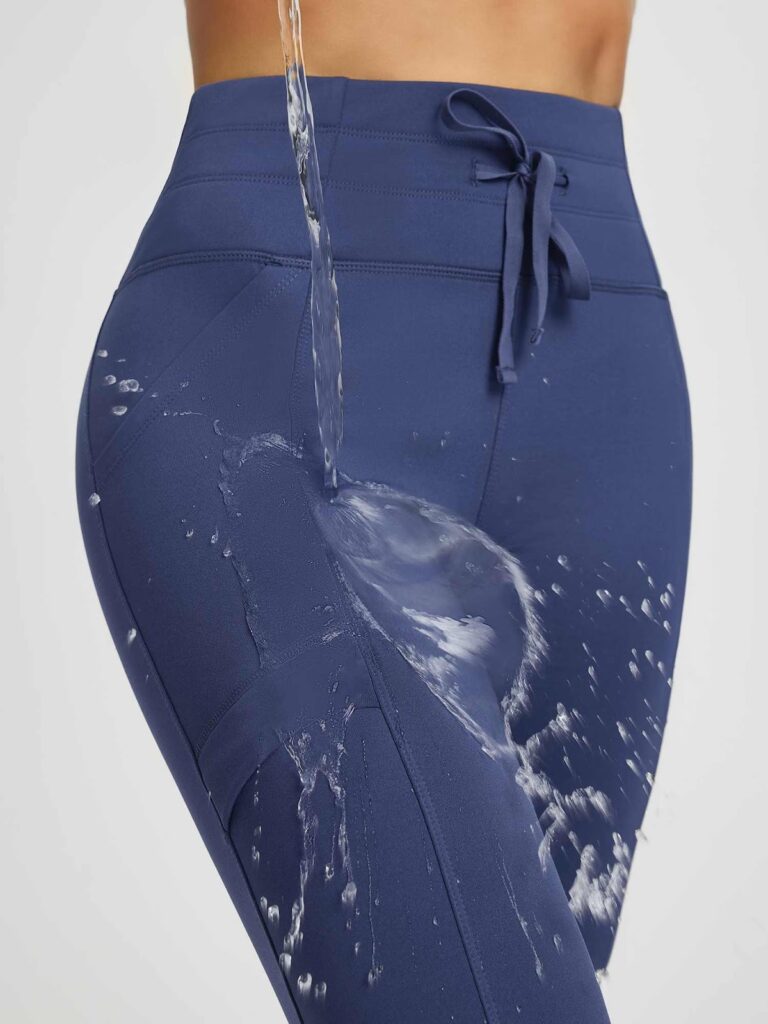
Several brands consistently deliver reliable waterproof pants for casual users. Outdoor Research, Marmot, and Columbia offer excellent mid-range options that balance performance with affordability. Arc’teryx and Patagonia provide premium choices with superior durability and refined fit, ideal if you’ll wear them frequently. For budget-conscious buyers, REI Co-op’s house brand delivers solid waterproofing at accessible prices, while brands like Baleaf Sports offer practical options that combine weather protection with everyday comfort for those seeking versatile activewear. Read recent reviews focusing on long-term durability rather than initial impressions, and check warranty policies—brands confident in their construction typically offer generous coverage. The right waterproof pants should feel like a natural extension of your wardrobe, ready to handle whatever weather arrives without requiring constant thought or adjustment.
Protecting Your Investment for Years to Come
Maintaining durable waterproof pants doesn’t require complicated routines or expensive products—just consistent attention to proven care practices. Understanding your fabric type helps you apply appropriate cleaning methods, while regular washing with technical detergents removes the oils and dirt that compromise waterproofing. Proper drying reactivates DWR coatings, and thoughtful storage prevents unnecessary wear between uses. When water stops beading on the surface, reapplying waterproof treatments restores protection quickly and affordably, extending the functional life of your pants by years.
The investment you made in quality waterproof pants deserves the small effort required to maintain their performance. Start today by checking your pants for signs of wear, washing them properly if needed, and applying fresh waterproof treatment if water no longer beads on the fabric. These simple steps ensure your waterproof pants remain ready to protect you through countless rainy commutes, outdoor adventures, and unpredictable weather days ahead. With proper care, your waterproof pants will continue delivering reliable protection season after season, making them one of the most practical and long-lasting items in your wardrobe.
