



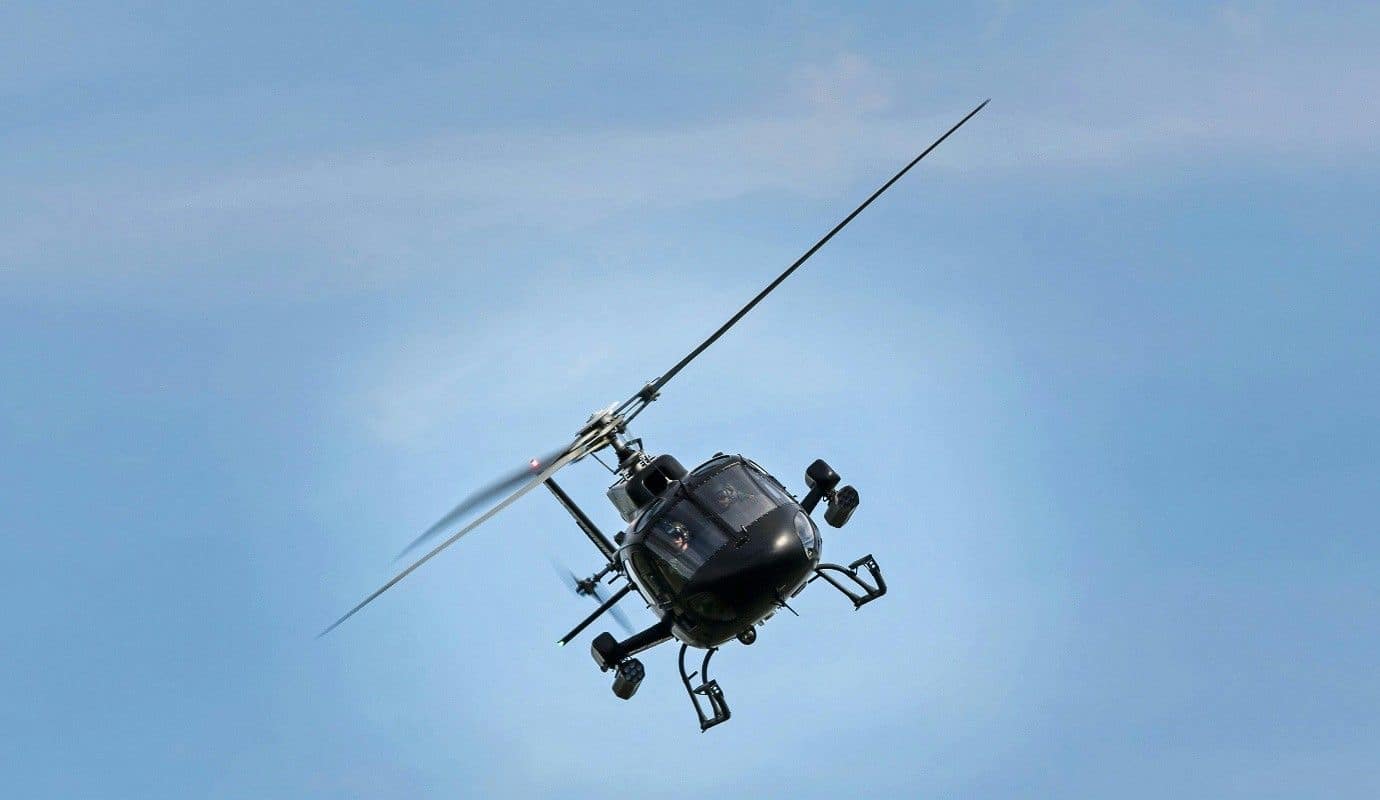
Choosing the right borescope lens configuration is one of the most important decisions an aviation technician can make before beginning a turbine or compressor inspection. Modern engines—whether on business jets, private aircraft, or helicopters—have complex internal geometries that require different viewing angles to properly assess blade condition, surface wear, clearances, and combustion chamber integrity. According to aviation inspection guidance and professional maintenance standards, matching the correct lens type to the inspection task dramatically improves defect detection accuracy. Likewise, remote visual inspection research emphasizes that lens selection directly impacts image clarity and technician efficiency inside confined engine spaces.
With forward-view, side-view, and dual-view lens options now widely available, technicians must understand how each configuration performs inside specific engine environments. The wrong lens may restrict access, cause missed defects, or limit the visibility needed to evaluate wear patterns—especially inside reflective turbine surfaces or curved compressor chambers.
This blog explores how each borescope lens type works, when to use it, and why proper selection is essential for precise, non-destructive aircraft engine inspections.
Why Lens Selection Matters in Engine Inspections
Aircraft engines are highly specialized systems with unique internal layouts. Within a single power plant, technicians may need to inspect:
- Compressor blades and stator vanes
- Turbine stages
- Combustion liners
- Fuel nozzle assemblies
- Internal cooling channels
- Gearbox housings
- Oil passages
Each area requires a specific viewing angle to properly assess the component condition. Even a high-resolution borescope cannot compensate for using the wrong lens orientation.
Key factors influenced by lens selection include:
1. Field of View
Some inspections require straight-ahead imaging, while others demand lateral viewing to evaluate blade surfaces or wall structures.
2. Access Angle
Engine access ports often position the borescope at a fixed angle, limiting what can be seen unless the lens orientation compensates.
3. Reflection and Lighting
Reflective turbine materials require careful control of illumination and angle to avoid glare.
4. Detecting Wear Signatures
Different types of wear—erosion, cracking, FOD marks—are best seen from specific angles.
Forward-View Lenses: Ideal for Straight-Ahead Inspections
A forward-view lens (0-degree lens) captures what lies directly in front of the borescope tip. This is the most common lens and is widely used across turbine, compressor, and hot-section inspections.
Best For:
- Viewing combustion chamber walls
- Checking for foreign object debris (FOD)
- Inspecting fuel nozzles
- Examining shaft alignment
- Scanning long internal passages
Why Forward-View Matters
Forward-view scopes work well when technicians need to see straight down a chamber or airway. They are ideal for initial assessments, verifying cleanliness, or following OEM-defined inspection paths.
Limitations
Forward-view lenses struggle when the technician must inspect:
- Blade platforms
- Blade roots
- Stator vane sides
- Housing curvature
In these situations, a side-view or dual-view lens is more effective.
Side-View Lenses: Essential for Turbine and Compressor Blade Evaluation
Side-view lenses (often 90 degrees) are designed to capture images perpendicular to the scope’s insertion path. They are especially valuable in high-performance engines where most wear occurs on the surfaces that cannot be seen head-on.
Best For:
- Turbine blade erosion
- Compressor blade trailing and leading edges
- Blade root cracking
- Stator vane examination
- Surface pitting and coating degradation
Why Side-View Lenses Are Critical
Inside turbine and compressor sections, the most important wear signatures often appear on blade sides—not the surfaces directly ahead of the borescope tip. Side-view lenses allow technicians to rotate the probe and inspect each blade surface in detail.
Limitations
They are less effective for forward-penetrating inspections or narrow channels requiring straight-line visibility.
Dual-View Lenses: The Most Versatile Option
Dual-view borescopes combine both forward-view and side-view capabilities, either through:
- A single lens with electronically switchable views
- A probe tip with two integrated cameras
These are invaluable when technicians must inspect multiple engine areas in a single session.
Best For:
- Full turbine and compressor stage inspection
- Aircraft engine overhauls
- Situations requiring fast switching between angles
- Thorough hot-section evaluations
- Inspections with limited access ports
Why Dual-View Lenses Are Preferred
Dual-view systems reduce the need for multiple probe insertions, saving time and minimizing the risk of damaging internal components. They also help technicians meet OEM inspection standards more efficiently.
Limitations
Dual-view scopes may cost more, but the improved inspection accuracy often justifies the investment.
Matching Lens Type to Engine Type
Different aircraft engines have unique inspection requirements.
Turbofan Engines (Business Jets & Private Aircraft)
- Side-view: Essential for high-pressure turbine (HPT) and low-pressure turbine (LPT) blade inspection
- Forward-view: Needed for combustion liner and nozzle checks
- Dual-view: Best for full coverage and documentation
Turboshaft Engines (Helicopters)
- Compact internal geometry makes dual-view and side-view lenses particularly effective
- Complex hot-section pathways often require articulation plus side-view angles
Turboprop Engines
- Forward-view used for inlet guide vane inspection
- Side-view used for power turbine stages
Piston Aircraft Engines
- Forward-view for cylinder wall examination
- Side-view tools useful for valve seat and guide inspection
Selecting the correct lens ensures technicians can inspect every part with clarity—reducing risk and improving maintenance accuracy.
Why USA Borescopes Supports Precise Lens Selection
USA Borescopes provides a wide range of aviation-grade borescopes with interchangeable and specialized lens options suited for all engine types. Their systems—commonly configured with 4mm articulating probes and 1.5-meter working lengths—offer HD image capture and video recording needed for thorough inspection documentation.
They also support aviation maintenance professionals with:
- No-cost repair evaluations on any make or model
- Fast borescope rentals within the continental U.S.
- Overnight shipping where available
- Specialized optics designed for turbine, compressor, and hot-section visibility
Technicians rely on them to match the right borescope lens to every inspection task.
USA Borescopes – Remote Visual Inspection Specialist
Browse the wide selection of industrial videoscopes, pipe cameras, rigid borescopes, intrinsically safe systems, and fiberscopes from USA Borescopes. Explore their full product catalog to find inspection tools designed for turbines, compressors, and other aviation systems. They also offer professional borescope repair services with no-cost evaluations. Need help selecting the right lens for tricky inspection angles? Call now for expert guidance.
Author Bio
Written by Mitchell A. Carrington, an aviation maintenance technology writer with over a decade of experience supporting turbine engine inspection teams, aerospace training institutions, and MRO facilities. Mitchell specializes in remote visual inspection tools, lens selection strategies, and high-precision imaging practices used across modern aircraft engines. Passionate about improving maintenance accuracy and safety, he develops research-driven content that helps technicians choose the right diagnostic tools for every inspection challenge.
